

The ACL is an important ligament in our knee that is used to create stability during movements (squatting, walking, running) and non-moving (standing). The ACL’s primary job is to prevent anterior sliding of the tibia on the femur. If the ACL is ruptured, it often increases the risk of other knee damage, such as the meniscus.
Are ACL injuries common?
ACL rupture or tear is a common injury, particularly in young athletes. There are 200,000 cases of ACL tears each year in the US (Spindler, 2008).
What is the mechanism of an ACL tear?
In over 70% of cases, the injury is caused by a non-contact mechanism, such as sudden deceleration combined with changing direction or pivoting, or landing with the knee in nearly full extension after a jump (Hernandez 2006).
Contact (traumatic) mechanisms of injury usually involve a force applied to the front aspect of a fixed lower leg (Hewett 2006).
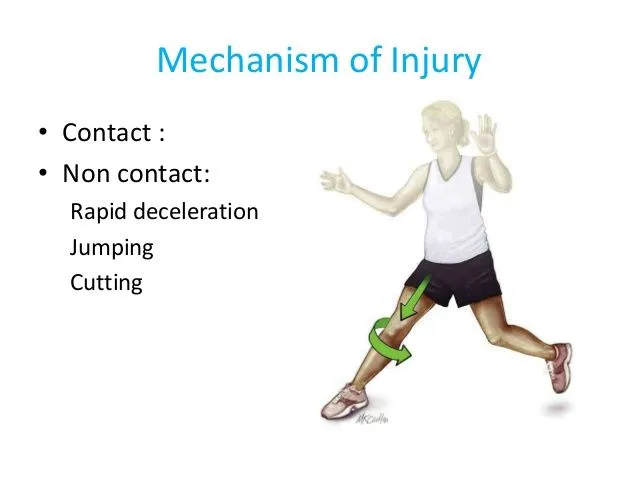
What are the symptoms of an ACL tear?
The acute injury is frequently characterized by knee pain and an audible ‘popping’ sound at the time of injury.
The injured person presents with knee pain, swelling, haemarthrosis (bleeding into the joint space), instability with further activity and painful range of motion.
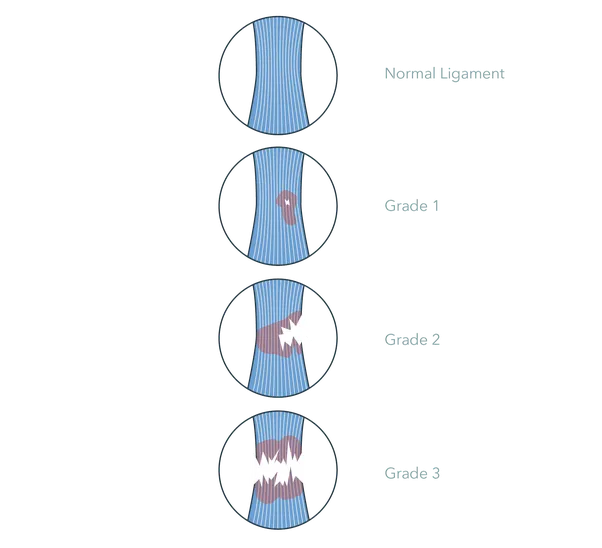
How are ACL tears graded?
ACL tears are graded 1-3, with a grade 3 being a full thickness tear.
Are ACL tears more common in girls?
In a study of collegiate athletes, female soccer and basketball players had a 2.7 times higher incidence of ACL injury compared to their male counterparts. Overall, non-contact ACL injuries are 10-20% higher in female athletes than male athletes (18,19,23,24). The risk of ACL injury in female athletes seems to increase significantly during the mid teenage years (25). A recent study found significantly higher incidence of ACL injuries among girls 6-16 years of age than boys of the same age (2).
What are risk factors for ACL tears?
Poor neuromuscular control
Decreased trunk strength
Decreased hip strength
Previous low back pain
Hip abductor weakness
External hip rotator weakness
Valgus knees (knock knee)
Excessive ground reactive forces (very hard unforgiving surfaces)
Assymetric landing patterns
(16,26,27,28,30,34)
Do I need X-rays or imaging?
X-rays are not very effective in evaluation of an ACL injury. MRI is the gold standard and is used to confirm the diagnosis of ACL injury or rupture, and evaluate associated pathology such as articular cartilage injury, and meniscal and associated ligamentous tears; all of which play a role in maintaining stability of the knee (Crawford 2007).
What are the effects of an ACL tear?
Chronic ACL injury can have a profound effect on the knee biomechanics and movement. Common problems include recurrent knee instability (giving way) and symptoms such as intermittent swelling or a locking sensation (Hernandez 2006).
ACL tears are associated with increased risk of secondary osteoarthritis of the knee, regardless of treatment or surgery applied (Øiestad 2009; Rout 2013).
Can the ACL be rehabbed without surgery?
Yes, the knee can be rehabbed without surgery,
Conservative (non-surgical) treatment for people with an ACL rupture can include the use of cryotherapy (ice), continuous pas- sive motion (movement of the joint by a machine), restrictive bracing, electrotherapy (muscle stimulation) and exercises aimed at strengthening and balance. Rehabilitation regimens used for both treatment options commonly use a three-stage progressive programme: acute, recovery and functional phases (Micheo 2010). The acute stage following injury aims to restore range of motion and resolve inflammation. The recovery phase is from approximately three to six weeks, with the aim of improving lower limb muscle strength and functional stability. Finally, the functional stage of rehabilitation (from six weeks onwards) concentrates on returning the individual to previous levels of activity and decreasing the risk of re-injury (Kvist 2004).
While surgical interventions have become commonplace for athletic individuals, initial non-operative (conservative) treatments, based on physiotherapy, are used more commonly in the general population (Linko 2009).
One study found no difference between surgery and conservative treatment in patient-reported knee scores at 2 and 5 years. However, 39% of the participants randomized to the nonoperative treatment group underwent either ACL repair for continued knee instability or meniscus repair within 2 years of their ACL rupture, while 51% did so within 5 years (31).
Treatment Goals
All treatments aim to reduce knee pain and instability and restore function. Reconstructive surgery aims to restore stability to the knee by replacing the torn ACL. In comparison, conservative treatments, such as rehabilitation, aim to improve the muscle function around the knee and to substitute the function of the missing ACL. However, the optimal management strategy following rupture of the ACL remains controversial.
In the short term, reconstructive surgery may improve knee function for those experiencing severe instability in activity or repeated episodes of ‘giving way’, or both. However, all surgery involves an increased risk of complications.
Does fatigue play into ACL injuries?
Fatigue has been related to increase risk of injury in the athletic population [36]. Fatigued athletes do not have as much control over their stability and center of gravity, both of which increase the risk of ACL injury.
Can ACL injuries be prevented?
Non-contact ACL injuries have a large biomechanical and functional aspect that can be improved to decrease risk of ACL tears. The best prevention programs are typically multi faceted and involve plyometrics, strength training, neuromuscular re-education. The younger age that these programs were implemented, the better results. Typical sessions are 20-30 minutes 3x/week.
A recent meta-analysis found an average 56% ACL injury risk reduction in female athletes following injury prevention programs. (42)
If you need help implementing an ACL prevention program, email us at [email protected] we would be happy to work with your team or program.
At Creekside Chiropractic & Performance Center, we are highly trained to treat and manage ACL sprains or tears. We are the only inter-disciplinary clinic providing services to Sheboygan, Sheboygan Falls, Plymouth, and Oostburg including chiropractic, manual therapy, myofascial release, ART (Active Release Technique), massage therapy, acupuncture, physiotherapy, rehabilitative exercise, nutritional counseling, personal training, and golf performance training under one roof. Utilizing these different services, we can help patients and clients reach the best outcomes and the best versions of themselves. Voted Best Chiropractor in Sheboygan by the Sheboygan Press.
Evidence Based-Patient Centered-Outcome Focused
Sources:
1. Kiapour AM, Murray MM. Basic science of anterior cruciate ligament injury and repair. Bone Joint Res. 2014;3:20–31. [PMC free article]PubMed] [Google Scholar]
2. Butler DL, Noyes FR, Grood ES. Ligamentous restraints to anterior-posterior drawer in the human knee. A biomechanical study. J Bone Joint Surg Am. 1980;62:259–70. [PubMed] [Google Scholar]
3. Kiapour AM, Wordeman SC, Paterno MV, Quatman CE, Levine JW, Goel VK, et al. Diagnostic value of knee arthrometry in the prediction of anterior cruciate ligament strain during landing. Am J Sports Med. 2014;42:312–9. [PMC free article] [PubMed] [Google Scholar]
4. Stannard JP, Sherman SL, Cook JL. Soft tissues about the knee. In: Grauer JN, editor. AAOS Orthopaedic Knowledge Update 12. Ch. 36. 2017. pp. 1–13. [Google Scholar]
5. Ellman MB, Sherman SL, Forsythe B, LaPrade RF, Cole BJ, Bach BR, Jr, et al. Return to play following anterior cruciate ligament reconstruction. J Am Acad Orthop Surg. 2015;23:283–96. [PubMed] [Google Scholar]
6. Duchman KR, Lynch TS, Spindler KP. Graft selection in anterior cruciate ligament surgery: Who gets what and why? Clin Sports Med. 2017;36:25–33.[PubMed] [Google Scholar]
7. Kim S, Bosque J, Meehan JP, Jamali A, Marder R. Increase in outpatient knee arthroscopy in the United States: A comparison of national surveys of ambulatory surgery, 1996 and 2006. J Bone Joint Surg Am. 2011;93:994–1000. [PubMed] [Google Scholar]
8. Levine JW, Kiapour AM, Quatman CE, Wordeman SC, Goel VK, Hewett TE, et al. Clinically relevant injury patterns after an anterior cruciate ligament injury provide insight into injury mechanisms. Am J Sports Med. 2013;41:385–95. [PMC free article][PubMed] [Google Scholar]
9. Chu CR, Beynnon BD, Buckwalter JA, Garrett WE, Jr, Katz JN, Rodeo SA, et al. Closing the gap between bench and bedside research for early arthritis therapies (EARTH): Report from the AOSSM/NIH U-13 Post-Joint Injury Osteoarthritis Conference II. Am J Sports Med. 2011;39:1569–78.[PMC free article] [PubMed] [Google Scholar]
10. Lohmander LS, Ostenberg A, Englund M, Roos H. High prevalence of knee osteoarthritis, pain, and functional limitations in female soccer players twelve years after anterior cruciate ligament injury. Arthritis Rheum. 2004;50:3145–52. [PubMed] [Google Scholar]
11. Nebelung W, Wuschech H. Thirty-five years of followup of anterior cruciate ligament-deficient knees in high-level athletes. Arthroscopy. 2005;21:696–702. [PubMed] [Google Scholar]
12. von Porat A, Roos EM, Roos H. High prevalence of osteoarthritis 14 years after an anterior cruciate ligament tear in male soccer players: A study of radiographic and patient relevant outcomes. Ann Rheum Dis. 2004;63:269–73. [PMC free article][PubMed] [Google Scholar]
13. Quatman CE, Kiapour A, Myer GD, Ford KR, Demetropoulos CK, Goel VK, et al. Cartilage pressure distributions provide a footprint to define female anterior cruciate ligament injury mechanisms. Am J Sports Med. 2011;39:1706–13.[PMC free article] [PubMed] [Google Scholar]
14. Rahnemai-Azar AA, Sabzevari S, Irarrázaval S, Chao T, Fu FH. Anatomical individualized ACL reconstruction. Arch Bone Joint Surg. 2016;4:291–7.[PMC free article] [PubMed] [Google Scholar]
15. Ajuied A, Wong F, Smith C, Norris M, Earnshaw P, Back D, et al. Anterior cruciate ligament injury and radiologic progression of knee osteoarthritis: A systematic review and meta-analysis. Am J Sports Med. 2014;42:2242–52. [PubMed] [Google Scholar]
16. Atarod M, Frank CB, Shrive NG. Increased meniscal loading after anterior cruciate ligament transection in vivo: A longitudinal study in sheep. Knee. 2015;22:11–7. [PubMed] [Google Scholar]
17. Fu FH, Jordan SS. The lateral intercondylar ridge – A key to anatomic anterior cruciate ligament reconstruction. J Bone Joint Surg Am. 2007;89:2103–4. [PubMed] [Google Scholar]
18. Sonnery-Cottet B, Chambat P. Arthroscopic identification of the anterior cruciate ligament posterolateral bundle: The figure-of-four position. Arthroscopy. 2007;23:1128.e1–3. [PubMed] [Google Scholar]
19. Paschos NK, Howell SM. Anterior cruciate ligament reconstruction: Principles of treatment. EFORT Open Rev. 2016;1:398–408.[PMC free article] [PubMed] [Google Scholar]
20. Iriuchishima T, Yorifuji H, Aizawa S, Tajika Y, Murakami T, Fu FH, et al. Evaluation of ACL mid-substance cross-sectional area for reconstructed autograft selection. Knee Surg Sports Traumatol Arthrosc. 2014;22:207–13. [PubMed] [Google Scholar]
21. Guenther D, Irarrázaval S, Nishizawa Y, Vernacchia C, Thorhauer E, Musahl V, et al. Variation in the shape of the tibial insertion site of the anterior cruciate ligament: Classification is required. Knee Surg Sports Traumatol Arthrosc. 2015;25:2428–2432. [PubMed] [Google Scholar]
22. Sasaki N, Ishibashi Y, Tsuda E, Yamamoto Y, Maeda S, Mizukami H, et al. The femoral insertion of the anterior cruciate ligament: Discrepancy between macroscopic and histological observations. Arthroscopy. 2012;28:1135–46. [PubMed] [Google Scholar]
23. Triantafyllidi E, Paschos NK, Goussia A, Barkoula NM, Exarchos DA, Matikas TE, et al. The shape and the thickness of the anterior cruciate ligament along its length in relation to the posterior cruciate ligament: A cadaveric study. Arthroscopy. 2013;29:1963–73. [PubMed] [Google Scholar]
24. Lang PJ, Sugimoto D, Micheli LJ. Prevention, treatment, and rehabilitation of anterior cruciate ligament injuries in children. Open Access J Sports Med. 2017;8:133–41. [PMC free article] [PubMed] [Google Scholar]
25. Boden BP, Dean GS, Feagin JA, Jr, Garrett WE., Jr Mechanisms of anterior cruciate ligament injury. Orthopedics. 2000;23:573–8. [PubMed] [Google Scholar]
26. Hewett TE. An introduction to understanding and preventing ACL injury. In: Hewett TE, Schultz SJ, Griffin L, editors. Understanding and Preventing Non-Contact ACL Injury. Champaign, IL: Human Kinetics; 2007. pp. xxi–xxviii. [Google Scholar]
27. Arendt E, Dick R. Knee injury patterns among men and women in collegiate basketball and soccer. NCAA data and review of literature. Am J Sports Med. 1995;23:694–701. [PubMed] [Google Scholar]
28. Agel J, Arendt EA, Bershadsky B. Anterior cruciate ligament injury in national collegiate athletic association basketball and soccer: A 13-year review. Am J Sports Med. 2005;33:524–30. [PubMed] [Google Scholar]
29. Myklebust G, Maehlum S, Engebretsen L, Strand T, Solheim E. Registration of cruciate ligament injuries in Norwegian top level team handball. A prospective study covering two seasons. Scand J Med Sci Sports. 1997;7:289–92. [PubMed] [Google Scholar]
30. Waldén M, Hägglund M, Magnusson H, Ekstrand J. Anterior cruciate ligament injury in elite football: A prospective three-cohort study. Knee Surg Sports Traumatol Arthrosc. 2011;19:11–9. [PubMed] [Google Scholar]
31. Monk AP, Davies LJ, Hopewell S, Harris K, Beard DJ, Price AJ, et al. Surgical versus conservative interventions for treating anterior cruciate ligament injuries. Cochrane Database Syst Rev. 2016;4:CD011166. [PMC free article] [PubMed] [Google Scholar]
32. Robson AW. VI. Ruptured crucial ligaments and their repair by operation. Ann Surg. 1903;37:716–8.[PMC free article] [PubMed] [Google Scholar]
33. Chen JL, Allen CR, Stephens TE, Haas AK, Huston LJ, Wright RW, et al. Differences in mechanisms of failure, intraoperative findings, and surgical characteristics between single- and multiple-revision ACL reconstructions: A MARS cohort study. Am J Sports Med. 2013;41:1571–8.[PMC free article] [PubMed] [Google Scholar]
34. Araujo PH, Asai S, Pinto M, Protta T, Middleton K, Linde-Rosen M, et al. ACL graft position affects in situ graft force following ACL reconstruction. J Bone Joint Surg Am. 2015;97:1767–73. [PubMed] [Google Scholar]
35. van Eck CF, Lesniak BP, Schreiber VM, Fu FH. Anatomic single- and double-bundle anterior cruciate ligament reconstruction flowchart. Arthroscopy. 2010;26:258–68. [PubMed] [Google Scholar]
36. Shen W, Forsythe B, Ingham SM, Honkamp NJ, Fu FH. Application of the anatomic double-bundle reconstruction concept to revision and augmentation anterior cruciate ligament surgeries. J Bone Joint Surg Am. 2008;90(Suppl 4):20–34. [PubMed] [Google Scholar]
37. Kopf S, Pombo MW, Szczodry M, Irrgang JJ, Fu FH. Size variability of the human anterior cruciate ligament insertion sites. Am J Sports Med. 2011;39:108–13. [PubMed] [Google Scholar]
38. Colombet P, Robinson J, Christel P, Franceschi JP, Djian P, Bellier G, et al. Morphology of anterior cruciate ligament attachments for anatomic reconstruction: A cadaveric dissection and radiographic study. Arthroscopy. 2006;22:984–92.[PubMed] [Google Scholar]
39. Zelle BA, Vidal AF, Brucker PU, Fu FH. Double-bundle reconstruction of the anterior cruciate ligament: Anatomic and biomechanical rationale. J Am Acad Orthop Surg. 2007;15:87–96. [PubMed] [Google Scholar]
40. Morimoto Y, Ferretti M, Ekdahl M, Smolinski P, Fu FH. Tibiofemoral joint contact area and pressure after single-and double-bundle anterior cruciate ligament reconstruction. Arthroscopy. 2009;25:62–9.[PubMed] [Google Scholar]
41. Yagi M, Wong EK, Kanamori A, Debski RE, Fu FH, Woo SL, et al. Biomechanical analysis of an anatomic anterior cruciate ligament reconstruction. Am J Sports Med. 2002;30:660–6. [PubMed] [Google Scholar]
42. Tiamklang T, Sumanont S, Foocharoen T, Laopaiboon M. Double-bundle versus single-bundle reconstruction for anterior cruciate ligament rupture in adults. Cochrane Database Syst Rev. 2012;11:CD008413. [PMC free article] [PubMed] [Google Scholar]
43. Hussein M, van Eck CF, Cretnik A, Dinevski D, Fu FH. Individualized anterior cruciate ligament surgery: A prospective study comparing anatomic single- and double-bundle reconstruction. Am J Sports Med. 2012;40:1781–8. [PubMed] [Google Scholar]
44. Markolf KL, Park S, Jackson SR, McAllister DR. Anterior-posterior and rotatory stability of single and double-bundle anterior cruciate ligament reconstructions. J Bone Joint Surg Am. 2009;91:107–18. [PubMed] [Google Scholar]
45. Pearle AD, McAllister D, Howell SM. Rationale for strategic graft placement in anterior cruciate ligament reconstruction: I.D.E.A.L. femoral tunnel position. Am J Orthop (Belle Mead NJ) 2015;44:253–8. [PubMed] [Google Scholar]
46. Järvelä T. Double-bundle versus single-bundle anterior cruciate ligament reconstruction: A prospective, randomize clinical study. Knee Surg Sports Traumatol Arthrosc. 2007;15:500–7.[PubMed] [Google Scholar]
47. Meredick RB, Vance KJ, Appleby D, Lubowitz JH. Outcome of single-bundle versus double-bundle reconstruction of the anterior cruciate ligament: A meta-analysis. Am J Sports Med. 2008;36:1414–21.[PubMed] [Google Scholar]
48. Muneta T, Koga H, Mochizuki T, Ju YJ, Hara K, Nimura A, et al. A prospective randomized study of 4-strand semitendinosus tendon anterior cruciate ligament reconstruction comparing single-bundle and double-bundle techniques. Arthroscopy. 2007;23:618–28. [PubMed] [Google Scholar]
49. Tibor L, Chan PH, Funahashi TT, Wyatt R, Maletis GB, Inacio MC, et al. Surgical technique trends in primary ACL reconstruction from 2007 to 2014. J Bone Joint Surg Am. 2016;98:1079–89.[PubMed] [Google Scholar]
50. Liu A, Sun M, Ma C, Chen Y, Xue X, Guo P, et al. Clinical outcomes of transtibial versus anteromedial drilling techniques to prepare the femoral tunnel during anterior cruciate ligament reconstruction. Knee Surg Sports Traumatol Arthrosc. 2015 DOI: 10.1007/s00167-015-3672-y. [Epub ahead of print] [PubMed] [Google Scholar]
51. Wasserstein D, Sheth U, Cabrera A, Spindler KP. A systematic review of failed anterior cruciate ligament reconstruction with autograft compared with allograft in young patients. Sports Health. 2015;7:207–16. [PMC free article] [PubMed] [Google Scholar]
52. Mariscalco MW, Magnussen RA, Mehta D, Hewett TE, Flanigan DC, Kaeding CC, et al. Autograft versus nonirradiated allograft tissue for anterior cruciate ligament reconstruction: A systematic review. Am J Sports Med. 2014;42:492–9.[PMC free article] [PubMed] [Google Scholar]
53. Xie X, Liu X, Chen Z, Yu Y, Peng S, Li Q, et al. A meta-analysis of bone-patellar tendon-bone autograft versus four-strand hamstring tendon autograft for anterior cruciate ligament reconstruction. Knee. 2015;22:100–10. [PubMed] [Google Scholar]
54. Gifstad T, Foss OA, Engebretsen L, Lind M, Forssblad M, Albrektsen G, et al. Lower risk of revision with patellar tendon autografts compared with hamstring autografts: A registry study based on 45,998 primary ACL reconstructions in Scandinavia. Am J Sports Med. 2014;42:2319–28. [PubMed] [Google Scholar]
55. Jacobs CA, Burnham JM, Makhni E, Malempati CS, Swart E, Johnson DL, et al. Allograft augmentation of hamstring autograft for younger patients undergoing anterior cruciate ligament reconstruction. Am J Sports Med. 2017;45:892–99.[PubMed] [Google Scholar]
56. Mulford JS, Hutchinson SE, Hang JR. Outcomes for primary anterior cruciate reconstruction with the quadriceps autograft: A systematic review. Knee Surg Sports Traumatol Arthrosc. 2013;21:1882–8.[PubMed] [Google Scholar]
57. Kim SJ, Kumar P, Oh KS. Anterior cruciate ligament reconstruction: Autogenous quadriceps tendon-bone compared with bone-patellar tendon-bone grafts at 2-year followup. Arthroscopy. 2009;25:137–44. [PubMed] [Google Scholar]
58. Cavaignac E, Coulin B, Tscholl P, Nik Mohd Fatmy N, Duthon V, Menetrey J, et al. Is quadriceps tendon autograft a better choice than hamstring autograft for anterior cruciate ligament reconstruction? A comparative study with a mean followup of 3.6 years. Am J Sports Med. 2017;45:1326–32. [PubMed] [Google Scholar]
59. Akoto R, Hoeher J. Anterior cruciate ligament (ACL) reconstruction with quadriceps tendon autograft and press-fit fixation using an anteromedial portal technique. BMC Musculoskelet Disord. 2012;13:161. [PMC free article] [PubMed] [Google Scholar]
60. Fink C, Herbort M, Abermann E, Hoser C. Minimally invasive harvest of a quadriceps tendon graft with or without a bone block. Arthrosc Tech. 2014;3:e509–13. [PMC free article] [PubMed] [Google Scholar]
61. Fischer F, Fink C, Herbst E, Hoser C, Hepperger C, Blank C, et al. Higher hamstring-to-quadriceps isokinetic strength ratio during the first postoperative months in patients with quadriceps tendon compared to hamstring tendon graft following ACL reconstruction. Knee Surg Sports Traumatol Arthrosc 2017. Knee Surg Sports Traumatol Arthrosc. 2017doi: 10.1007/s00167-017-4522-x. [Epub ahead of print] [PubMed] [Google Scholar]
62. Feagin JA, Jr, Curl WW. Isolated tear of the anterior cruciate ligament: 5-year followup study. Clin Orthop Relat Res. 1996;325:4–9. [PubMed] [Google Scholar]
63. Cabaud HE, Feagin JA, Rodkey WG. Acute anterior cruciate ligament injury and augmented repair. Experimental studies. Am J Sports Med. 1980;8:395–401. [PubMed] [Google Scholar]
64. Cabaud HE, Rodkey WG, Feagin JA. Experimental studies of acute anterior cruciate ligament injury and repair. Am J Sports Med. 1979;7:18–22. [PubMed] [Google Scholar]
65. DiFelice GS, Villegas C, Taylor S. Anterior cruciate ligament preservation: Early results of a novel arthroscopic technique for suture anchor primary anterior cruciate ligament repair. Arthroscopy. 2015;31:2162–71. [PubMed] [Google Scholar]
66. Sherman MF, Lieber L, Bonamo JR, Podesta L, Reiter I. The long term followup of primary anterior cruciate ligament repair. Defining a rationale for augmentation. Am J Sports Med. 1991;19:243–55.[PubMed] [Google Scholar]
67. DiFelice GS, van der List JP. Arthroscopic primary repair of proximal anterior cruciate ligament tears. Arthrosc Tech. 2016;5:e1057–61.[PMC free article] [PubMed] [Google Scholar]
68. van der List JP, DiFelice GS. Primary repair of the anterior cruciate ligament: A paradigm shift. Surgeon. 2017;15:161–8. [PubMed] [Google Scholar]
69. Nyland J, Mattocks A, Kibbe S, Kalloub A, Greene JW, Caborn DN, et al. Anterior cruciate ligament reconstruction, rehabilitation, and return to play: 2015 update. Open Access J Sports Med. 2016;7:21–32. [PMC free article] [PubMed] [Google Scholar]
70. Achtnich A, Herbst E, Forkel P, Metzlaff S, Sprenker F, Imhoff AB, et al. Acute proximal anterior cruciate ligament tears: Outcomes after arthroscopic suture anchor repair versus anatomic single-bundle reconstruction. Arthroscopy. 2016;32:2562–9.[PubMed] [Google Scholar]
71. Ahn JH, Lee SH, Choi SH, Lim TK. Magnetic resonance imaging evaluation of anterior cruciate ligament reconstruction using quadrupled hamstring tendon autografts: Comparison of remnant bundle preservation and standard technique. Am J Sports Med. 2010;38:1768–77. [PubMed] [Google Scholar]
72. Ahn JH, Lee SH. Risk factors for knee instability after anterior cruciate ligament reconstruction. Knee Surg Sports Traumatol Arthrosc. 2016;24:2936–42.[PubMed] [Google Scholar]
73. Ahn JH, Lee YS, Lee SH. Creation of an anatomic femoral tunnel with minimal damage to the remnant bundle in remnant-preserving anterior cruciate ligament reconstruction using an outside-in technique. Arthrosc Tech. 2014;3:e175–9.[PMC free article] [PubMed] [Google Scholar]
74. Bieri KS, Scholz SM, Kohl S, Aghayev E, Staub LP. Dynamic intraligamentary stabilization versus conventional ACL reconstruction: A matched study on return to work. Injury. 2017;48:1243–8. [PubMed] [Google Scholar]
75. Nguyen DT, Ramwadhdoebe TH, van der Hart CP, Blankevoort L, Tak PP, van Dijk CN, et al. Intrinsic healing response of the human anterior cruciate ligament: An histological study of reattached ACL remnants. J Orthop Res. 2014;32:296–301.[PubMed] [Google Scholar]
76. van der List JP, DiFelice GS. Preservation of the anterior cruciate ligament: A treatment algorithm based on tear location and tissue quality. Am J Orthop. 2016;45:E393–405. [PubMed] [Google Scholar]
77. Taylor SA, Khair MM, Roberts TR, DiFelice GS. Primary repair of the anterior cruciate ligament: A systematic review. Arthroscopy. 2015;31:2233–47.[PubMed] [Google Scholar]
78. Smith PA, Bley JA. Allograft anterior cruciate ligament reconstruction utilizing internal brace augmentation. Arthrosc Tech. 2016;5:e1143–7.[PMC free article] [PubMed] [Google Scholar]
79. Cook JL, Smith P, Stannard JP, Pfeiffer F, Kuroki K, Bozynski CC, et al. A canine arthroscopic anterior cruciate ligament reconstruction model for study of synthetic augmentation of tendon allografts. J Knee Surg. 2016 doi: 10.1055/s-0036-1597618. [Epub ahead of print] [PubMed] [Google Scholar]
80. Henle P, Röder C, Perler G, Heitkemper S, Eggli S. Dynamic intraligamentary stabilization (DIS) for treatment of acute anterior cruciate ligament ruptures: Case series experience of the first three years. BMC Musculoskelet Disord. 2015;16:27.[PMC free article] [PubMed] [Google Scholar]
81. Claes S, Vereecke E, Maes M, Victor J, Verdonk P, Bellemans J, et al. Anatomy of the anterolateral ligament of the knee. J Anat. 2013;223:321–8.[PMC free article] [PubMed] [Google Scholar]
82. Imbert P, Lutz C, Daggett M, Niglis L, Freychet B, Dalmay F, et al. Isometric characteristics of the anterolateral ligament of the knee: A cadaveric navigation study. Arthroscopy. 2016;32:2017–24.[PubMed] [Google Scholar]
83. Ibrahim SA, Shohdy EM, Marwan Y, Ramadan SA, Almisfer AK, Mohammad MW, et al. Anatomic reconstruction of the anterior cruciate ligament of the knee with or without reconstruction of the anterolateral ligament: A randomized clinical trial. Am J Sports Med. 2017;45:1558–66. [PubMed] [Google Scholar]
84. Patel RM, Brophy RH. Anterolateral ligament of the knee: Anatomy, function, imaging, and treatment. Am J Sports Med. 2017:363546517695802. doi: 10.1177/0363546517695802. [Epub ahead of print]. [PubMed] [Google Scholar]
85. Musahl V, Getgood A, Neyret P, Claes S, Burnham JM, Batailler C, et al. Contributions of the anterolateral complex and the anterolateral ligament to rotatory knee stability in the setting of ACL injury: A roundtable discussion. Knee Surg Sports Traumatol Arthrosc. 2017;25:997–1008. [PubMed] [Google Scholar]
86. Stentz-Olesen K, Nielsen ET, de Raedt S, Jørgensen PB, Sørensen OG, Kaptein B, et al. Reconstructing the anterolateral ligament does not decrease rotational knee laxity in ACL-reconstructed knees. Knee Surg Sports Traumatol Arthrosc. 2017;25:1125–31. [PubMed] [Google Scholar]
87. Di Matteo B, Loibl M, Andriolo L, Filardo G, Zellner J, Koch M, et al. Biologic agents for anterior cruciate ligament healing: A systematic review. World J Orthop. 2016;7:592–603. [PMC free article][PubMed] [Google Scholar]
88. Di Matteo B, Filardo G, Kon E, Marcacci M. Platelet-rich plasma: Evidence for the treatment of patellar and achilles tendinopathy – A systematic review. Musculoskelet Surg. 2015;99:1–9. [PubMed] [Google Scholar]
89. Filardo G, Kon E, Roffi A, Di Matteo B, Merli ML, Marcacci M, et al. Platelet-rich plasma: Why intraarticular? A systematic review of preclinical studies and clinical evidence on PRP for joint degeneration. Knee Surg Sports Traumatol Arthrosc. 2015;23:2459–74. [PMC free article] [PubMed] [Google Scholar]
90. Komzák M, Hart R, Šmíd P, Puskeiler M, Jajtner P. The effect of platelet-rich plasma on graft healing in reconstruction of the anterior cruciate ligament of the knee joint: Prospective study. Acta Chir Orthop Traumatol Cech. 2015;82:135–9. [PubMed] [Google Scholar]
91. Andriolo L, Di Matteo B, Kon E, Filardo G, Venieri G, Marcacci M. PRP augmentation for ACL reconstruction. Biomed Res Int. 2015;2015:371746.[PMC free article] [PubMed] [Google Scholar]
92. Lubowitz JH. Editorial commentary: Platelet-rich plasma in ACL surgery. Arthroscopy. 2015;31:989.[PubMed] [Google Scholar]
93. Cook JL, Smith PA, Bozynski CC, Kuroki K, Cook CR, Stoker AM, et al. Multiple injections of leukoreduced platelet rich plasma reduce pain and functional impairment in a canine model of ACL and meniscal deficiency. J Orthop Res. 2016;34:607–15.[PubMed] [Google Scholar]
94. Kopka M, Bradley JP. The use of biologic agents in athletes with knee injuries. J Knee Surg. 2016;29:379–86. [PubMed] [Google Scholar]
95. Mazzocca AD, McCarthy MB, Chowaniec DM, Cote MP, Romeo AA, Bradley JP, et al. Platelet-rich plasma differs according to preparation method and human variability. J Bone Joint Surg Am. 2012;94:308–16. [PubMed] [Google Scholar]
96. Silva A, Sampaio R, Fernandes R, Pinto E. Is there a role for adult non-cultivated bone marrow stem cells in ACL reconstruction? Knee Surg Sports Traumatol Arthrosc. 2014;22:66–71. [PubMed] [Google Scholar]
97. Centeno CJ, Pitts J, Al-Sayegh H, Freeman MD. Anterior cruciate ligament tears treated with percutaneous injection of autologous bone marrow nucleated cells: A case series. J Pain Res. 2015;8:437–47. [PMC free article] [PubMed] [Google Scholar]
98. Ćuti T, Antunović M, Marijanović I, Ivković A, Vukasović A, Matić I, et al. Capacity of muscle derived stem cells and pericytes to promote tendon graft integration and ligamentization following anterior cruciate ligament reconstruction. Int Orthop. 2017;41:1189–98. [PubMed] [Google Scholar]
99. Ghebes CA, Kelder C, Schot T, Renard AJ, Pakvis DF, Fernandes H, et al. Anterior cruciate ligament- and hamstring tendon-derived cells: In vitro differential properties of cells involved in ACL reconstruction. J Tissue Eng Regen Med. 2017;11:1077–88. [PubMed] [Google Scholar]
100. Shelbourne KD, Wilckens JH, Mollabashy A, DeCarlo M. Arthrofibrosis in acute anterior cruciate ligament reconstruction. The effect of timing of reconstruction and rehabilitation. Am J Sports Med. 1991;19:332–6. [PubMed] [Google Scholar]
101. Shelbourne KD, Foulk DA. Timing of surgery in acute anterior cruciate ligament tears on the return of quadriceps muscle strength after reconstruction using an autogenous patellar tendon graft. Am J Sports Med. 1995;23:686–9. [PubMed] [Google Scholar]
102. Eitzen I, Holm I, Risberg MA. Preoperative quadriceps strength is a significant predictor of knee function two years after anterior cruciate ligament reconstruction. Br J Sports Med. 2009;43:371–6.[PubMed] [Google Scholar]
103. Eitzen I, Moksnes H, Snyder-Mackler L, Risberg MA. A progressive 5-week exercise therapy program leads to significant improvement in knee function early after anterior cruciate ligament injury. J Orthop Sports Phys Ther. 2010;40:705–21.[PMC free article] [PubMed] [Google Scholar]
104. Grindem H, Granan LP, Risberg MA, Engebretsen L, Snyder-Mackler L, Eitzen I, et al. How does a combined preoperative and postoperative rehabilitation programme influence the outcome of ACL reconstruction 2 years after surgery? A comparison between patients in the delaware-oslo ACL Cohort and the Norwegian National Knee Ligament Registry. Br J Sports Med. 2015;49:385–9.[PMC free article] [PubMed] [Google Scholar]
105. Micheo W, Hernández L, Seda C. Evaluation, management, rehabilitation, and prevention of anterior cruciate ligament injury: Current concepts. PM R. 2010;2:935–44. [PubMed] [Google Scholar]
106. Kvist J. Rehabilitation following anterior cruciate ligament injury: Current recommendations for sports participation. Sports Med. 2004;34:269–80.[PubMed] [Google Scholar]
107. Negus J, Fransen M, Chen JS, Parker DA, March L. Exercise-based interventions for conservatively or surgically treated anterior cruciate ligament injuries in adults. Cochrane Database Syst Rev. 2012:10. [doi: 10.1002/14651858.CD010128] [Google Scholar]
108. Webster KE, Feller JA. Exploring the high reinjury rate in younger patients undergoing anterior cruciate ligament reconstruction. Am J Sports Med. 2016;44:2827–32. [PubMed] [Google Scholar]
109. Liechti DJ, Chahla J, Dean CS, Mitchell JJ, Slette E, Menge TJ, et al. Outcomes and risk factors of rerevision anterior cruciate ligament reconstruction: A systematic review. Arthroscopy. 2016;32:2151–9. [PubMed] [Google Scholar]
110. Schilaty ND, Bates NA, Sanders TL, Krych AJ, Stuart MJ, Hewett TE, et al. Incidence of second anterior cruciate ligament tears (1990-2000) and associated factors in a specific geographic locale. Am J Sports Med. 2017;45:1567–73. [PMC free article][PubMed] [Google Scholar]
111. Yabroudi MA, Björnsson H, Lynch AD, Muller B, Samuelsson K, Tarabichi M, et al. Predictors of revision surgery after primary anterior cruciate ligament reconstruction. Orthop J Sports Med. 2016;4:2325967116666039. [PMC free article][PubMed] [Google Scholar]
112. Ho B, Edmonds EW, Chambers HG, Bastrom TP, Pennock AT. Risk factors for early ACL reconstruction failure in pediatric and adolescent patients: A review of 561 cases. J Pediatr Orthop. 2016 doi: 10.1097/BPO.0000000000000831. [Epub ahead of print] [PubMed] [Google Scholar]
113. Nelson IR, Chen J, Love R, Davis BR, Maletis GB, Funahashi TT, et al. A comparison of revision and rerupture rates of ACL reconstruction between autografts and allografts in the skeletally immature. Knee Surg Sports Traumatol Arthrosc. 2016;24:773–9. [PubMed] [Google Scholar]
114. Ponce BA, Cain EL, Jr, Pflugner R, Fleisig GS, Young BL, Boohaker HA, et al. Risk factors for revision anterior cruciate ligament reconstruction. J Knee Surg. 2016;29:329–36. [PubMed] [Google Scholar]
115. Pullen WM, Bryant B, Gaskill T, Sicignano N, Evans AM, DeMaio M, et al. Predictors of revision surgery after anterior cruciate ligament reconstruction. Am J Sports Med. 2016;44:3140–5.[PubMed] [Google Scholar]
116. Shelbourne KD, Gray T, Haro M. Incidence of subsequent injury to either knee within 5 years after anterior cruciate ligament reconstruction with patellar tendon autograft. Am J Sports Med. 2009;37:246–51.[PubMed] [Google Scholar]
117. Wright RW, Magnussen RA, Dunn WR, Spindler KP. Ipsilateral graft and contralateral ACL rupture at five years or more following ACL reconstruction: A systematic review. J Bone Joint Surg Am. 2011;93:1159–65. [PMC free article][PubMed] [Google Scholar]
118. Tejwani SG, Chen J, Funahashi TT, Love R, Maletis GB. Revision risk after allograft anterior cruciate ligament reconstruction: Association with graft processing techniques, patient characteristics, and graft type. Am J Sports Med. 2015;43:2696–705.[PubMed] [Google Scholar]
119. Inderhaug E, Raknes S, Østvold T, Solheim E, Strand T. Increased revision rate with posterior tibial tunnel placement after using the 70-degree tibial guide in ACL reconstruction. Knee Surg Sports Traumatol Arthrosc. 2017;25:152–8. [PubMed] [Google Scholar]
120. Parkinson B, Robb C, Thomas M, Thompson P, Spalding T. Factors that predict failure in anatomic single-bundle anterior cruciate ligament reconstruction. Am J Sports Med. 2017;45:1529–36.[PubMed] [Google Scholar]
121. McDonald LS, van der List JP, Jones KJ, Zuiderbaan HA, Nguyen JT, Potter HG, et al. Passive anterior tibial subluxation in the setting of anterior cruciate ligament injuries: A comparative analysis of ligament-deficient states. Am J Sports Med. 2017;45:1537–46. [PubMed] [Google Scholar]
122. Syam K, Chouhan DK, Dhillon MS. Outcome of ACL reconstruction for chronic ACL injury in knees without the posterior horn of the medial meniscus: Comparison with ACL reconstructed knees with an intact medial meniscus. Knee Surg Relat Res. 2017;29:39–44. [PMC free article] [PubMed] [Google Scholar]
123. Levy IM, Torzilli PA, Warren RF. The effect of medial meniscectomy on anterior-posterior motion of the knee. J Bone Joint Surg Am. 1982;64:883–8.[PubMed] [Google Scholar]
124. Papageorgiou CD, Gil JE, Kanamori A, Fenwick JA, Woo SL, Fu FH, et al. The biomechanical interdependence between the anterior cruciate ligament replacement graft and the medial meniscus. Am J Sports Med. 2001;29:226–31. [PubMed] [Google Scholar]
125. Seon JK, Gadikota HR, Kozanek M, Oh LS, Gill TJ, Li G, et al. The effect of anterior cruciate ligament reconstruction on kinematics of the knee with combined anterior cruciate ligament injury and subtotal medial meniscectomy: An in vitro robotic investigation. Arthroscopy. 2009;25:123–30.[PMC free article] [PubMed] [Google Scholar]
126. Shoemaker SC, Markolf KL. The role of the meniscus in the anterior-posterior stability of the loaded anterior cruciate-deficient knee. Effects of partial versus total excision. J Bone Joint Surg Am. 1986;68:71–9. [PubMed] [Google Scholar]
127. Spang JT, Dang AB, Mazzocca A, Rincon L, Obopilwe E, Beynnon B, et al. The effect of medial meniscectomy and meniscal allograft transplantation on knee and anterior cruciate ligament biomechanics. Arthroscopy. 2010;26:192–201. [PubMed] [Google Scholar]
128. Saltzman BM, Meyer MA, Weber AE, Poland SG, Yanke AB, Cole BJ, et al. Prospective clinical and radiographic outcomes after concomitant anterior cruciate ligament reconstruction and meniscal allograft transplantation at a mean 5-year followup. Am J Sports Med. 2017;45:550–62. [PubMed] [Google Scholar]
129. Christensen JJ, Krych AJ, Engasser WM, Vanhees MK, Collins MS, Dahm DL, et al. Lateral tibial posterior slope is increased in patients with early graft failure after anterior cruciate ligament reconstruction. Am J Sports Med. 2015;43:2510–4.[PubMed] [Google Scholar]
130. Alentorn-Geli E, Mendiguchía J, Samuelsson K, Musahl V, Karlsson J, Cugat R, et al. Prevention of anterior cruciate ligament injuries in sports. Part I: Systematic review of risk factors in male athletes. Knee Surg Sports Traumatol Arthrosc. 2014;22:3–15.[PubMed] [Google Scholar]
131. Arun GR, Kumaraswamy V, Rajan D, Vinodh K, Singh AK, Kumar P, et al. Long term follow up of single-stage anterior cruciate ligament reconstruction and high tibial osteotomy and its relation with posterior tibial slope. Arch Orthop Trauma Surg. 2016;136:505–11. [PubMed] [Google Scholar]
132. Dean CS, Chahla J, Matheny LM, Cram TR, Moulton SG, Dornan GJ, et al. Posteromedially placed plates with anterior staple reinforcement are not successful in decreasing tibial slope in opening-wedge proximal tibial osteotomy. Knee Surg Sports Traumatol Arthrosc. 2016 doi: 10.1007/s00167-016-4311-y. [Epub ahead of print] [PubMed] [Google Scholar]
133. Huo Z, Griffin J, Babiuch R, Gray A, Willis B, Marjorie S, et al. Examining the feasibility of a Microsoft Kinect™ based game intervention for individuals with anterior cruciate ligament injury risk. Conf Proc IEEE Eng Med Biol Soc. 2015;2015:7059–62. [PubMed] [Google Scholar]
134. Hewett TE, Ford KR, Hoogenboom BJ, Myer GD. Understanding and preventing ACL injuries: Current biomechanical and epidemiologic considerations - Update 2010. N Am J Sports Phys Ther. 2010;5:234–51. [PMC free article] [PubMed] [Google Scholar]
135. Ford KR, Myer GD, Hewett TE. Valgus knee motion during landing in high school female and male basketball players. Med Sci Sports Exerc. 2003;35:1745–50. [PubMed] [Google Scholar]
136. Paterno MV, Schmitt LC, Ford KR, Rauh MJ, Myer GD, Huang B, et al. Biomechanical measures during landing and postural stability predict second anterior cruciate ligament injury after anterior cruciate ligament reconstruction and return to sport. Am J Sports Med. 2010;38:1968–78.[PMC free article] [PubMed] [Google Scholar]
137. Myer GD, Ford KR, Hewett TE. New method to identify athletes at high risk of ACL injury using clinic-based measurements and freeware computer analysis. Br J Sports Med. 2011;45:238–44.[PubMed] [Google Scholar]
138. Myer GD, Ford KR, Khoury J, Succop P, Hewett TE. Development and validation of a clinic-based prediction tool to identify female athletes at high risk for anterior cruciate ligament injury. Am J Sports Med. 2010;38:2025–33. [PMC free article] [PubMed] [Google Scholar]
139. Hewett TE, Myer GD, Ford KR. Anterior cruciate ligament injuries in female athletes: Part 1, mechanisms and risk factors. Am J Sports Med. 2006;34:299–311. [PubMed] [Google Scholar]
140. Zazulak BT, Hewett TE, Reeves NP, Goldberg B, Cholewicki J. The effects of core proprioception on knee injury: A prospective biomechanical-epidemiological study. Am J Sports Med. 2007;35:368–73. [PubMed] [Google Scholar]
141. Zazulak BT, Hewett TE, Reeves NP, Goldberg B, Cholewicki J. Deficits in neuromuscular control of the trunk predict knee injury risk: A prospective biomechanical-epidemiologic study. Am J Sports Med. 2007;35:1123–30. [PubMed] [Google Scholar]
142. Hewett TE, Stroupe AL, Nance TA, Noyes FR. Plyometric training in female athletes. Decreased impact forces and increased hamstring torques. Am J Sports Med. 1996;24:765–73. [PubMed] [Google Scholar]
143. Hewett TE, Lindenfeld TN, Riccobene JV, Noyes FR. The effect of neuromuscular training on the incidence of knee injury in female athletes. A prospective study. Am J Sports Med. 1999;27:699–706. [PubMed] [Google Scholar]
144. Myer GD, Ford KR, Hewett TE. The effects of gender on quadriceps muscle activation strategies during a maneuver that mimics a high ACL injury risk position. J Electromyogr Kinesiol. 2005;15:181–9. [PubMed] [Google Scholar]
145. Myklebust G, Engebretsen L, Braekken IH, Skjølberg A, Olsen OE, Bahr R, et al. Prevention of anterior cruciate ligament injuries in female team handball players: A prospective intervention study over three seasons. Clin J Sport Med. 2003;13:71–8.[PubMed] [Google Scholar]
146. Solomonow M, Krogsgaard M. Sensorimotor control of knee stability. A review. Scand J Med Sci Sports. 2001;11:64–80. [PubMed] [Google Scholar]
147. Lloyd DG, Buchanan TS. A model of load sharing between muscles and soft tissues at the human knee during static tasks. J Biomech Eng. 1996;118:367–76. [PubMed] [Google Scholar]
148. Stone EE, Butler M, McRuer A, Gray A, Marks J, Skubic M, et al. Evaluation of the Microsoft Kinect for screening ACL injury. Conf Proc IEEE Eng Med Biol Soc. 2013;2013:4152–5. [PubMed] [Google Scholar]
149. Hewett TE, Myer GD, Ford KR, Paterno MV, Quatman CE. Mechanisms, prediction, and prevention of ACL injuries: Cut risk with three sharpened and validated tools. J Orthop Res. 2016;34:1843–55. [PMC free article] [PubMed] [Google Scholar]
150. Gray AD, Marks JM, Stone EE, Butler MC, Skubic M, Sherman SL. Validation of the Microsoft Kinect as a portable and inexpensive screening tool for identifying ACL injury risk. Orthop J Sports Med. 2014;2(2 Suppl) [doi: 10.1177/2325967114S00106] [Google Scholar]
151. Sherman SL, Gulbrandsen TR, Miller SM, Guess T, Willis BW, Blecha KM, et al. Mass screening of youth athletes for high risk landing patterns using a portable and inexpensive motion sensor device. Orthop J Sports Med. 2016;4(7 Suppl 4) [doi: 10.1177/2325967116S00120] [Google Scholar]