

Understanding Sciatica: Symptoms, Causes, and Effective Treatments at Creekside Performance Center
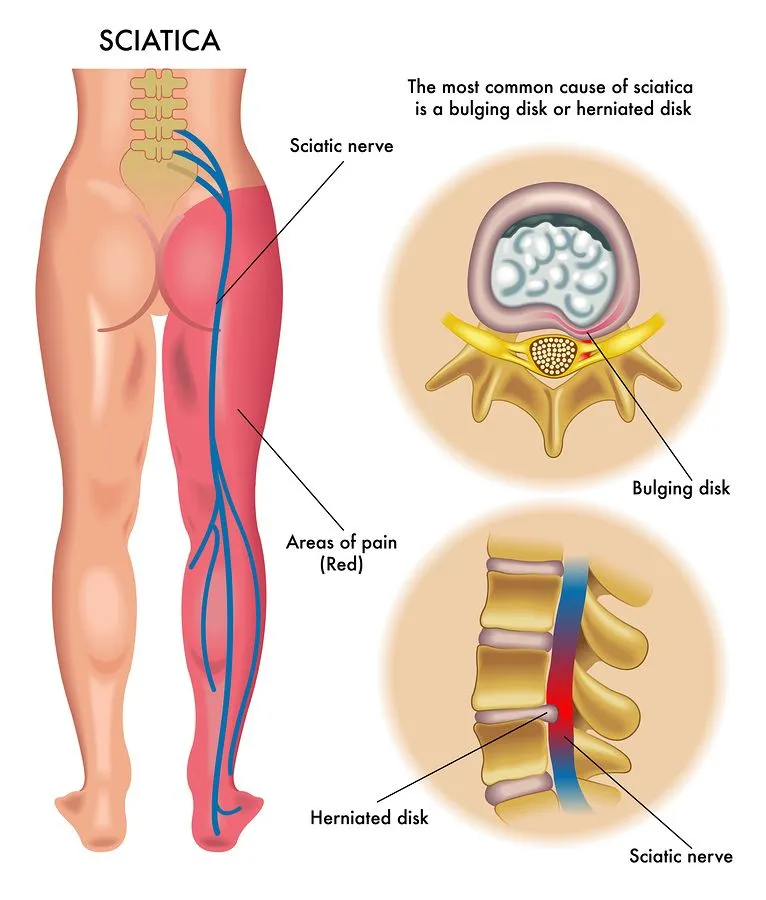
Sciatica is a common condition that causes pain, numbness, and tingling along the sciatic nerve, which runs from the lower back through the hips and down each leg. At Creekside Performance Center, we offer comprehensive treatments to alleviate sciatic pain and address its underlying causes.
Symptoms of Sciatica
Patients with sciatica typically experience:
- Sharp or burning pain radiating from the lower back to the legs
- Numbness or tingling sensations in the affected leg
- Muscle weakness or difficulty moving the leg or foot
- Pain that worsens with prolonged sitting or sudden movements
Causes of Sciatica
Several conditions can contribute to sciatic nerve irritation, including:
1. Disc Herniation
A herniated disc occurs when the soft inner material of an intervertebral disc protrudes through the outer layer, pressing on the sciatic nerve. This compression leads to inflammation and nerve irritation, resulting in pain and discomfort.
2. Piriformis Syndrome
The piriformis muscle, located in the buttocks, can become tight or spasmodic, compressing the sciatic nerve and leading to sciatica-like symptoms. This condition is commonly seen in athletes or individuals who sit for extended periods.
Imaging Guidelines for Sciatica
In most cases, a clinical evaluation is sufficient for diagnosing sciatica. However, imaging studies may be recommended in certain scenarios:
- MRI (Magnetic Resonance Imaging): Used to assess soft tissue structures like herniated discs or nerve compression.
- X-rays: Help evaluate spinal alignment and detect bone-related abnormalities.
- CT Scan (Computed Tomography): Occasionally used for more detailed spinal imaging when MRI is not available.
Imaging is typically reserved for cases where symptoms persist beyond 6–8 weeks, or if serious underlying conditions are suspected.
Conditions That Mimic Sciatica
Several musculoskeletal conditions produce symptoms similar to sciatica, including:
1. Sacroiliac (SI) Joint Pain
The SI joint, connecting the sacrum to the pelvis, can become inflamed or dysfunctional, leading to lower back and leg pain that mimics sciatica.
2. Lumbar Facet Joint Pain
Facet joints in the spine may degenerate or become irritated, causing localized lower back pain that sometimes radiates down the legs.
Red Flags: When to Seek Immediate Medical Attention
While sciatica is often manageable with conservative care, certain symptoms require urgent evaluation:
- Severe or progressive weakness in the legs
- Loss of bowel or bladder control
- Numbness in the saddle region (inner thighs, buttocks, or perineum) These symptoms may indicate cauda equina syndrome, a rare but serious condition requiring immediate medical intervention.
Sciatica Treatments at Creekside Performance Center
At Creekside Performance Center, we provide evidence-based therapies to address sciatica and its root causes. Our treatment options include:
1. Chiropractic Care
Spinal adjustments help restore proper alignment, reduce nerve compression, and improve mobility.
2. Corrective Exercise Therapy
A personalized exercise program can strengthen the core and lower back, promoting long-term relief and preventing recurrence.
3. Massage Therapy
Soft tissue techniques reduce muscle tension, particularly in cases of piriformis syndrome, improving flexibility and circulation.
4. Dry Needling
Targeted needling relieves myofascial trigger points that may contribute to sciatic pain.
6. Lifestyle and Ergonomic Coaching
We provide education on posture, movement mechanics, and workplace ergonomics to prevent sciatica flare-ups.
Find Relief from Sciatica at Creekside Performance Center
If you’re experiencing sciatic pain, the expert team at Creekside Performance Center is here to help. Contact us today to schedule an evaluation and start your journey to recovery.